Recent Selected Projects
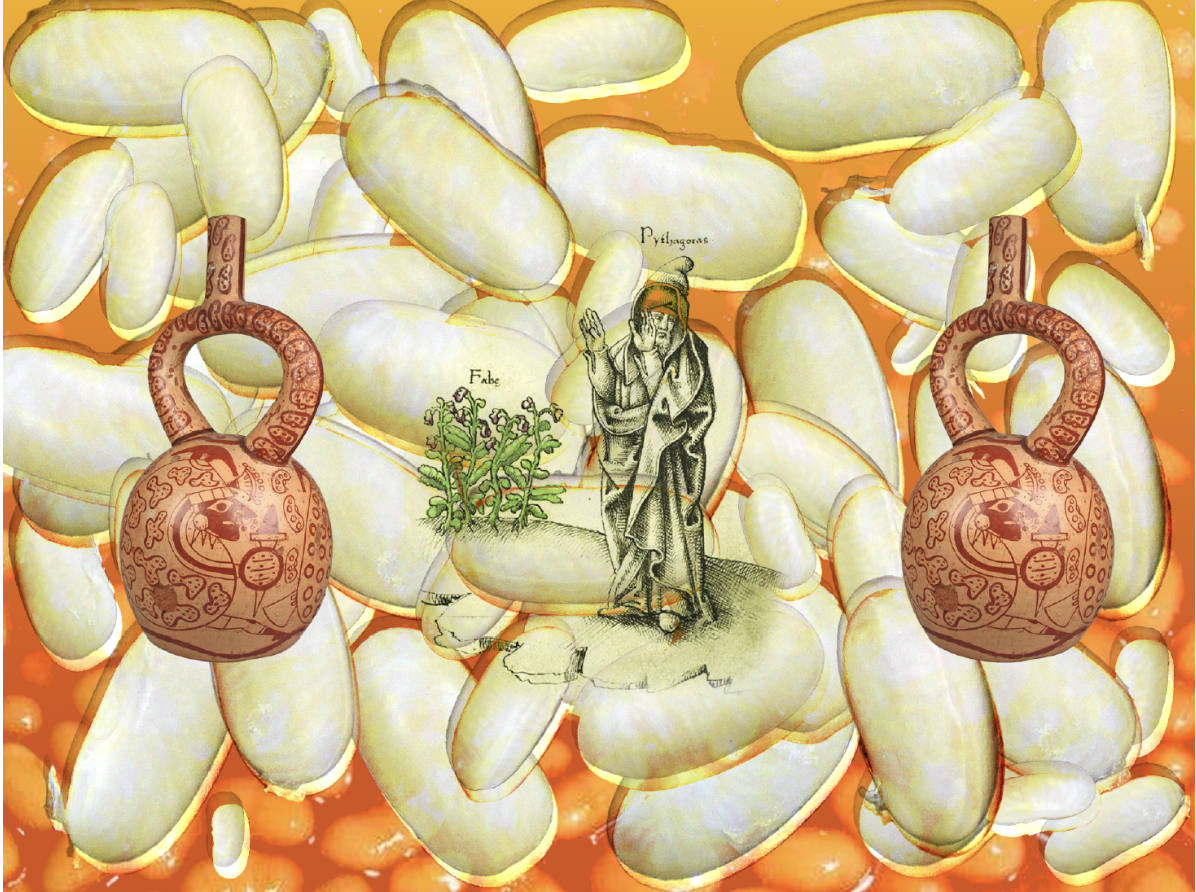
The World is a Mill
Radar, Loughborough University, UK (2024–2026)
What does it mean to live within systems that continuously process, store and redistribute matter, energy and knowledge?
The World is a Mill is a multi-part artistic and research project exploring how food, migration and ecological systems shape practices of climate resilience. Centred on Bean Silo—an interactive sculptural installation—the project invites participants to exchange beans for recipes drawn from a growing archive, linking cultural knowledge to projected future growing conditions.
Developed through workshops, site-based research and collaboration with communities, the project treats recipes as forms of environmental knowledge, tracing how adaptation is carried through everyday practices of cooking, cultivation and exchange. Alongside the sculpture, a series of large-scale paintings and a recipe database map the movement of crops, people and climate across shifting geographies.
Impact: A multi-year institutional commission generating new artistic-research outputs, participatory methods, and public engagement formats, connecting cultural practice with climate adaptation and community knowledge systems.
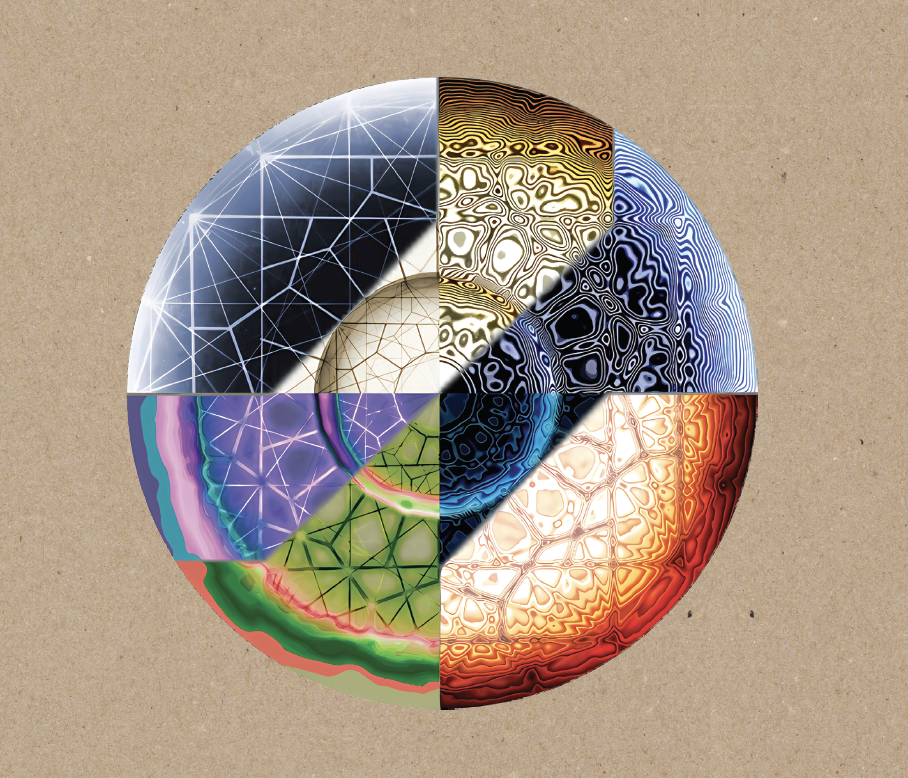
Making Time (Residency)
Artangel, London, UK (2023–2024)
What temporalities of care, maintenance, and delay are required to live and create within ecological crisis?
A research residency investigating time, waste, and repair as critical conditions shaping artistic and environmental practice, contributing to broader questions of infrastructure, maintenance, and ecological responsibility.
Impact: Developed new research and artistic outputs contributing to ongoing work on waste, care, and infrastructure; embedded within Artangel’s long-term research programme.
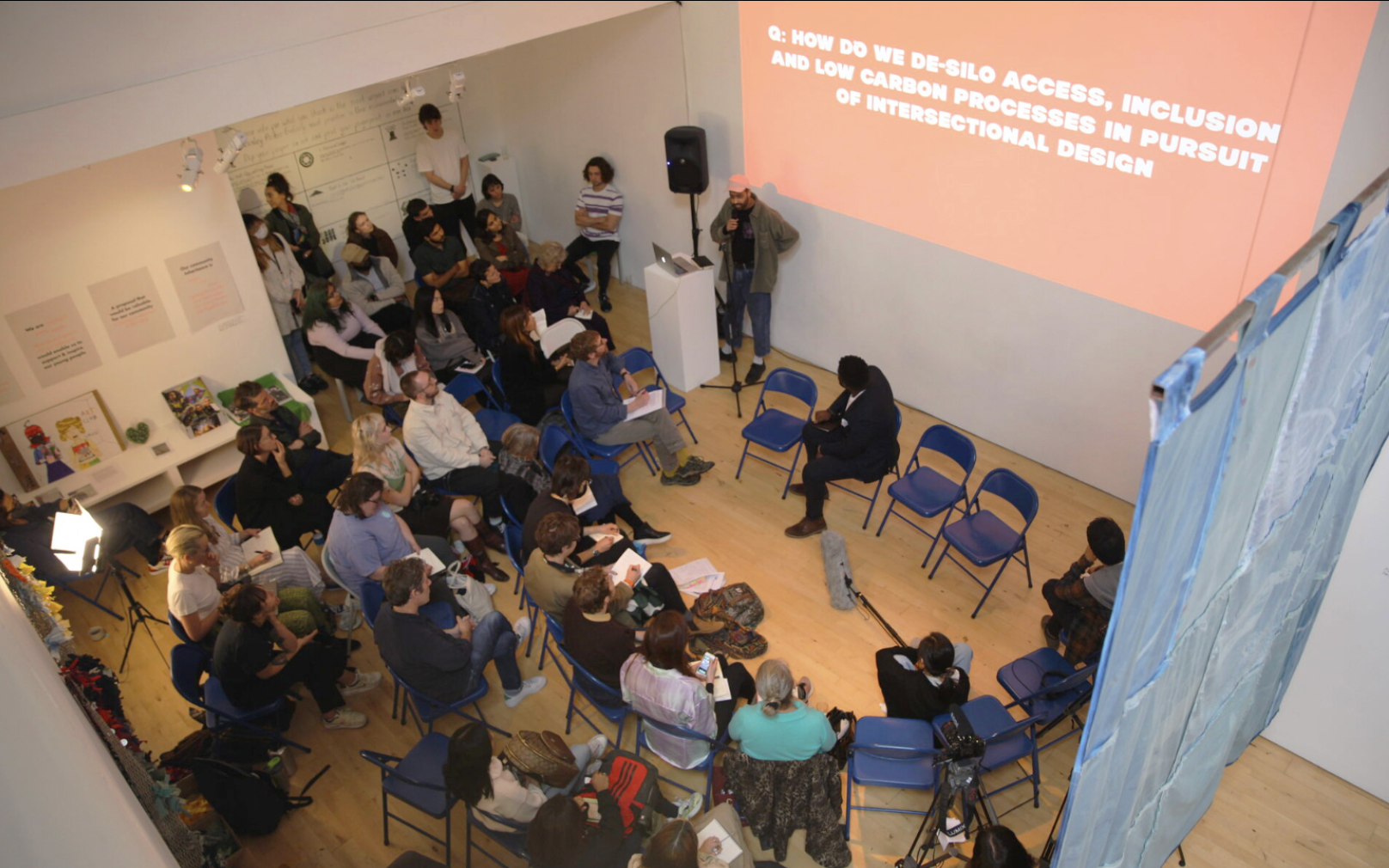
Sunlight Doesn’t Need a Pipeline
Stanley Picker Gallery & Kingston University; expanded through Arts Catalyst (2020–2022)
What would a climate transition for the arts look like if led by communities rather than institutions?
A large-scale curatorial and research programme exploring just transition in the cultural sector, bringing together artists, researchers, and communities to co-produce alternative approaches to decarbonisation, governance, and collective action. This work developed into the Sunlight Liberation Network at Arts Catalyst, including projects such as Tending Waste, Cultivating Life, which explored waste as a relational system of care, repair, and ecological responsibility.
Impact: 25+ public events; 20+ published resources; 10 commissions; 650+ participants; 6,000+ users. Contributed to institutional policy and environmental strategy (Stanley Picker Gallery, 2023–2027) and supported the development of community-led climate tools and practices.
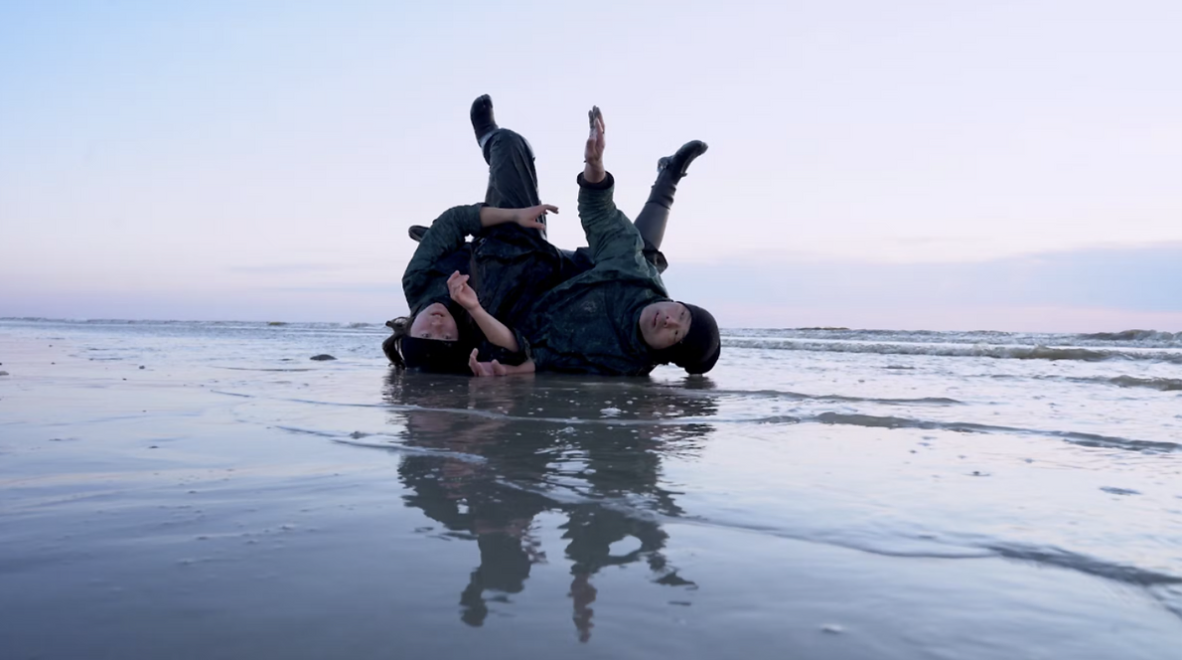
Toxicity’s Reach
Abandon Normal Devices Festival, Liverpool, UK (2019–2021)
How does toxicity move across bodies, environments, and systems—and what does this reveal about power?
A research-led exhibition examining the multiscalar impacts of pollution across ecological and social systems, bringing together artistic and scientific perspectives on environmental harm.
Impact: Delivered as part of a major UK festival; commissioned new artworks and contributed to ongoing discourse on toxicity, pollution, and environmental justice.
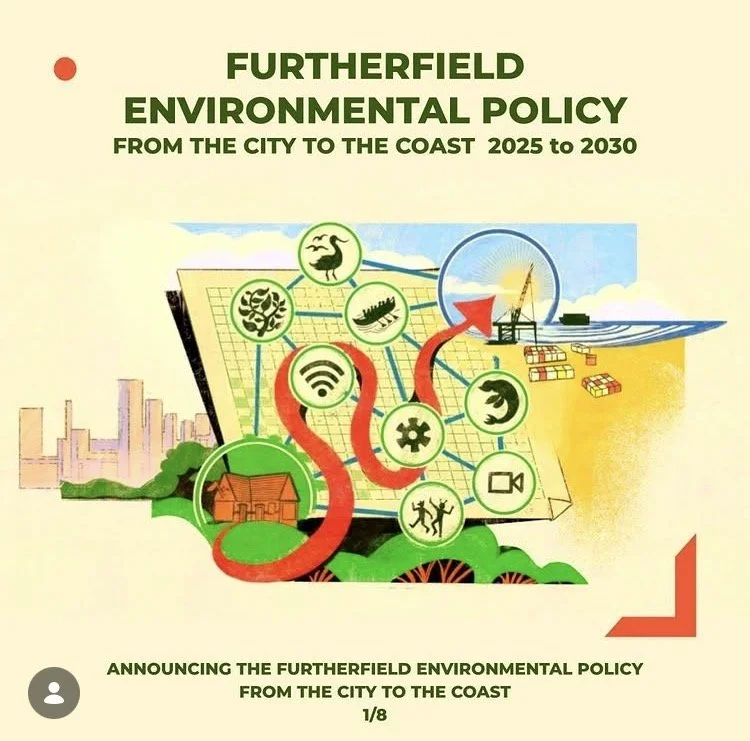
Environmental Policy Development
Furtherfield, London / East Suffolk, UK (2024)
How can arts organisations embed climate responsibility into governance, policy, and everyday practice?
Research-led development of an environmental policy framework aligning artistic production with ecological accountability and institutional change. The work focused on translating climate commitments into operational and governance structures.
Impact: Produced and implemented an organisational environmental policy; contributed to institutional strategy, reporting, and long-term sustainability planning.
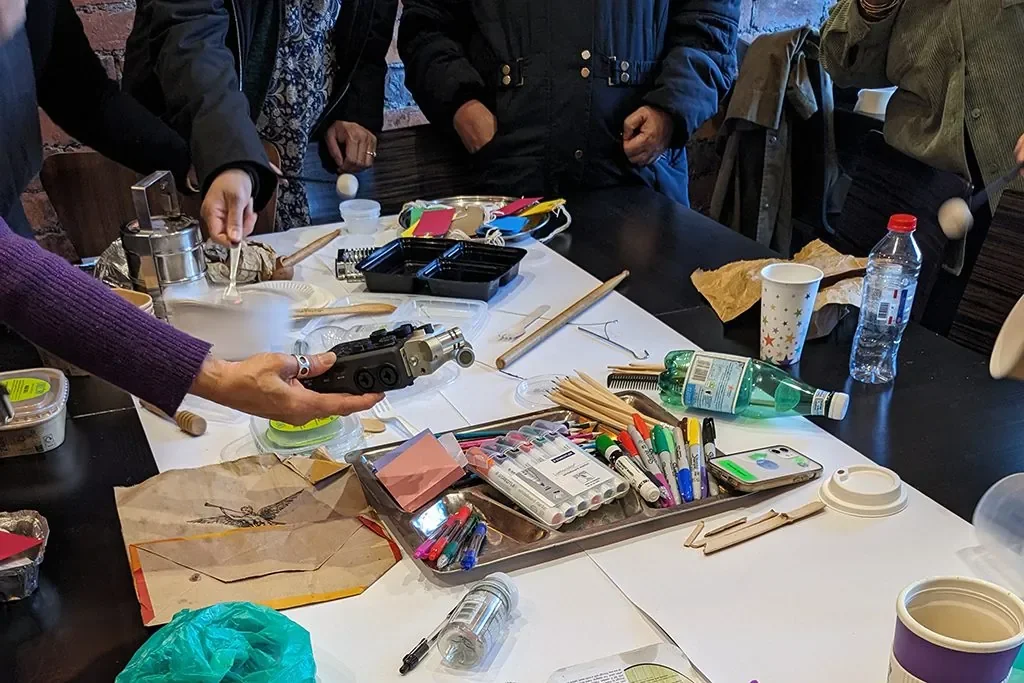
Tending Waste, Cultivating Life
Arts Catalyst, UK (2024)
How can waste be reimagined as a site of care, cultivation and collective responsibility rather than disposal?
A collaborative research and programme exploring waste as a relational system, bringing together artists and communities to develop practices of repair, reuse and ecological care within the context of climate transition. As part of Sunlight Liberation Network, an extension of the Sunlight project.
Impact: Delivered workshops and collaborative sessions with artists and local participants; contributed to the development of community-facing tools and practices for ecological responsibility and just transition.
Selected Earlier Projects
For Refusal Almanac Transmediale, Berlin (2021–2022)
Curatorial programme exploring refusal as a political and creative strategy within technological and ecological systems.
Playbour: Work, Pleasure, Survival, Furtherfield, London (2018)
Interdisciplinary exhibition and research platform exploring digital labour, participation, and survival economies.
Assembling a Moving Island, Walk&Talk Festival, Azores (2018)
Curatorial project examining island ecologies as dynamic, relational systems shaped by mobility and environmental change.